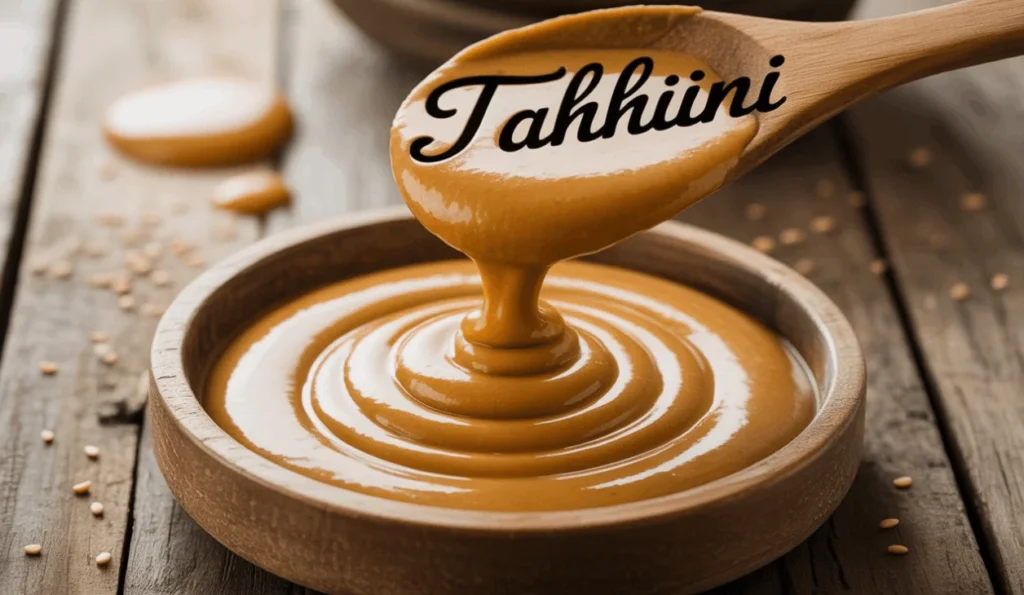
Tahhiini: A Nutty Ingredient for Healthy and Delicious Meals
Tahhiini has emerged as a popular ingredient in kitchens around the world. Its creamy texture, nutty flavor, and nutritional benefits make it a versatile addition to many dishes. From traditional Middle Eastern recipes to modern healthy meals, Sesame paste offers endless possibilities for both home cooks and professional chefs.
What is Tahhiini?
Sesame paste is a paste made from ground sesame seeds. It is commonly used in Mediterranean and Middle Eastern cuisines, where it adds richness and depth to a variety of recipes. Depending on whether the sesame seeds are raw or roasted, tahhiini can have a mild or more intense flavor. Its smooth texture allows it to blend easily with other ingredients, making it a staple for dips, sauces, and spreads.
This simple ingredient often contains only sesame seeds, sometimes with a small amount of oil or salt. Its minimalistic composition ensures that the nutty flavor is at the forefront, while still providing important nutrients.
Origins and History
Tahhiini has a long history dating back thousands of years. It originated in the ancient Middle East, where sesame seeds were cultivated for their oil and nutritional value. Tahhiini became a key part of local cuisines, featured in dishes like hummus and baba ganoush.
Historically, tahhiini was prized not only for its taste but also for its long shelf life and ability to enhance simple foods. Over time, it spread to other regions, gradually becoming popular in Western kitchens as well.
Nutritional Benefits
Sesame paste is celebrated for its health benefits. It is rich in plant-based protein, healthy fats, and essential minerals such as calcium, magnesium, and iron. Its natural oils support heart health, while antioxidants help protect the body from oxidative stress.
In addition to its nutrients, tahhiini is naturally gluten-free and suitable for vegan and dairy-free diets. Including it in meals can boost energy, promote healthy skin, and contribute to overall wellness.
Culinary Uses of Tahhiini
The versatility of tahhiini makes it a favorite among cooks. Its creamy texture and nutty flavor can transform both sweet and savory dishes. Here are some common uses:
- Dips: Tahhiini is a key ingredient in hummus, blending with chickpeas, olive oil, and lemon juice to create a smooth, flavorful dip.
- Dressings and Sauces: Mix tahhiini with olive oil, lemon juice, or vinegar to make salad dressings or drizzle over roasted vegetables.
- Baked Goods: Incorporate tahhiini into cookies, brownies, or cakes to add a unique nutty flavor.
- Smoothies: A spoonful of tahhiini can enhance the creaminess and nutrition of smoothies.
- Spreads: Spread tahhiini on toast or crackers for a simple, healthy snack.
Tahhiini’s ability to complement a variety of ingredients makes it suitable for countless recipes. Its rich flavor can elevate a basic dish into something gourmet.
Choosing the Best Tahhiini
When selecting Sesame paste , quality is key. Look for products with minimal ingredients, preferably just sesame seeds. Raw Sesame paste has a lighter flavor, while roasted Sesame paste delivers a deeper, more robust taste.
Texture is also important. Creamy Sesame paste works well for dips and spreads, while thicker versions are ideal for sauces. To maintain freshness, store Sesame paste in a cool, dry place or refrigerate after opening. Stir it well before use, as natural oils tend to separate over time.
Tips for Cooking with Tahhiini
Using tahhiini effectively requires a few simple tips:
- Start with small amounts and adjust according to taste.
- Combine with acidic ingredients like lemon juice to balance the richness.
- Experiment with both sweet and savory recipes to explore its versatility.
- Adjust consistency by mixing with water or oil to achieve the desired texture.
By following these guidelines, Sesame paste can be seamlessly incorporated into everyday meals, enhancing both flavor and nutrition.
Tahhiini in Modern Diets
In recent years, Sesame paste has gained attention among health enthusiasts, vegans, and those following gluten-free or dairy-free diets. Its combination of healthy fats, protein, and minerals makes it a valuable ingredient for anyone looking to eat balanced, wholesome meals.
Incorporating Sesame paste into dishes such as salads, grain bowls, pasta, or even desserts introduces a creamy texture and a nutty flavor that is hard to replicate. Its adaptability ensures it can be enjoyed in a wide variety of meals, from simple snacks to elaborate dishes.
Conclusion
Tahhiini is much more than a sesame paste—it is a versatile, nutrient-rich ingredient that can elevate both traditional and modern meals. From creamy dips to flavorful dressings, tahhiini offers countless possibilities in the kitchen.
By choosing high-quality tahhiini, experimenting with recipes, and understanding its culinary potential, you can make this simple ingredient a staple in your cooking. Its rich flavor, health benefits, and adaptability make tahhiini a must-have for anyone who loves delicious and nutritious meals.