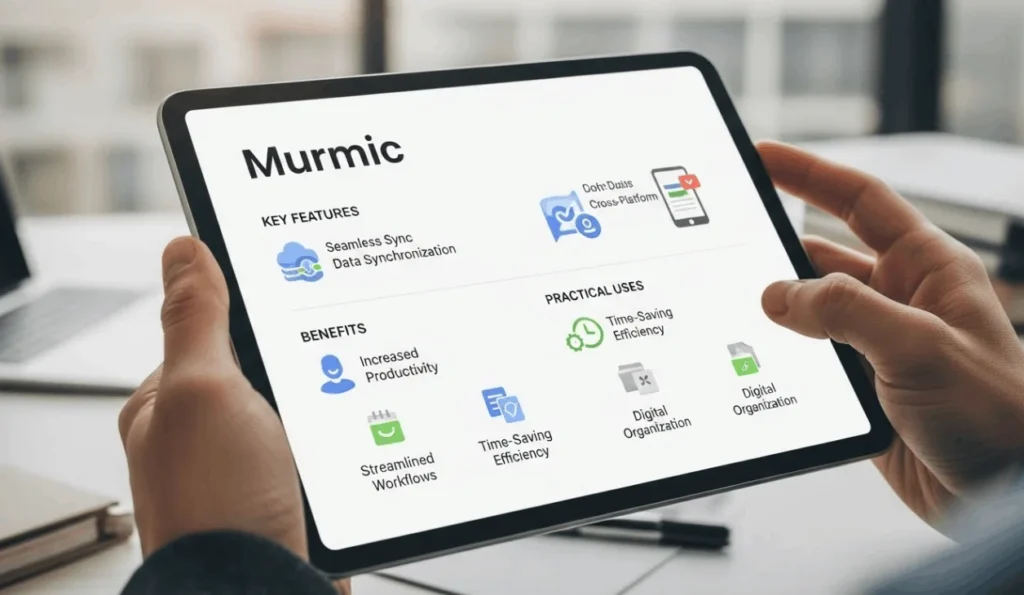
Murmic: Building Clarity and Efficiency in Daily Tasks
In an era where digital efficiency and smart organization matter more than ever, new terms and systems continue to surface. Among them, murmic has started to gain attention for its practical approach and adaptable nature. Although not yet widely known, murmic reflects modern demands for clarity, flexibility, and streamlined workflows. Understanding its concept can help users better navigate today’s fast-paced environments.
Understanding the Core Idea
At a basic level, murmic represents a structured yet flexible approach to managing tasks, systems, or digital interactions. Instead of adding complexity, it focuses on simplifying how users organize information and processes. This emphasis on clarity makes it appealing to both individuals and teams seeking better control over their daily operations.
Moreover, murmic aligns with the growing preference for intuitive solutions. As technology advances, users increasingly favor tools and concepts that work seamlessly without requiring extensive learning. Consequently, this approach fits naturally into modern digital habits.
Why Interest in Murmic Is Growing
The growing relevance of murmic is closely tied to changing user expectations. Today, people want solutions that save time while remaining reliable. Rather than switching between multiple systems, users prefer unified methods that reduce friction and confusion.
In addition, flexibility plays a significant role. Whether applied to personal organization or professional collaboration, murmic adapts to varying needs. This adaptability ensures that it remains useful even as goals and workloads evolve.
Another reason for its rising interest is accessibility. By prioritizing ease of use, murmic lowers the barrier for adoption. As a result, users can focus on productivity instead of struggling with complex structures.
Key Characteristics That Define Murmic
Several defining characteristics contribute to the growing appeal of murmic:
Simplicity First
One of its strongest traits is simplicity. The structure is designed to be clear and easy to understand, which reduces unnecessary distractions. This simplicity helps users maintain focus and work more efficiently.
Organized Workflow Support
Murmic promotes logical organization. By bringing related tasks or information together, it minimizes clutter and enhances visibility. Over time, this leads to improved planning and smoother execution.
Versatile Application
Another notable aspect is versatility. Murmic can be applied across different contexts without losing effectiveness. Because of this, it suits both structured environments and more creative workflows.
Consistency and Reliability
Consistency is essential for building trust in any system. Murmic supports steady performance, allowing users to rely on it as demands increase. This reliability reinforces its practical value.
Practical Uses in Everyday Scenarios
The real strength of murmic becomes apparent in everyday use. For individuals, it can help structure personal goals, daily tasks, and long-term plans. By keeping everything organized in one place, users gain a clearer overview of priorities.
In team environments, murmic supports coordination and alignment. When everyone follows a consistent structure, communication improves and misunderstandings decrease. As a result, collaboration becomes more efficient and less stressful.
Furthermore, murmic can support analytical or creative work. By offering organization without rigidity, it allows users to remain innovative while staying on track. This balance is especially useful in dynamic or fast-changing settings.
Benefits That Make Murmic Valuable
One of the most noticeable benefits is time efficiency. When workflows are organized and intuitive, users spend less time searching for information. Instead, they can dedicate more energy to meaningful tasks.
Another important advantage is reduced mental strain. Managing multiple systems can be overwhelming, but murmic encourages a centralized approach. This reduces cognitive load and improves focus throughout the day.
Additionally, murmic promotes consistency in habits. Clear structures make it easier to maintain routines, which ultimately leads to better productivity and long-term results.
Challenges to Keep in Mind
Like any structured approach, murmic may require an adjustment period. Some users may initially find it challenging to shift from familiar methods. However, these challenges are usually short-lived.
With gradual implementation and practice, most users discover that the system becomes second nature. Over time, the benefits outweigh the initial effort, leading to smoother workflows and greater confidence.
Future Potential and Long-Term Relevance
Looking forward, murmic holds strong potential as digital environments continue to evolve. The demand for simple yet adaptable systems is unlikely to decrease. Because it focuses on usability and clarity, murmic is well-positioned to remain relevant.
As more users adopt structured yet flexible approaches, this concept may continue to expand and refine. Its ability to adapt ensures that it can meet future challenges without losing its core strengths.
Conclusion
Murmic reflects a modern response to the growing need for organization, efficiency, and adaptability. By emphasizing simplicity, consistency, and flexibility, it offers practical value across a wide range of use cases. While still emerging, its underlying principles align closely with current and future digital trends.
For users seeking a clearer, more structured way to manage tasks and workflows, Digital organization system presents a thoughtful and reliable option worth considering.