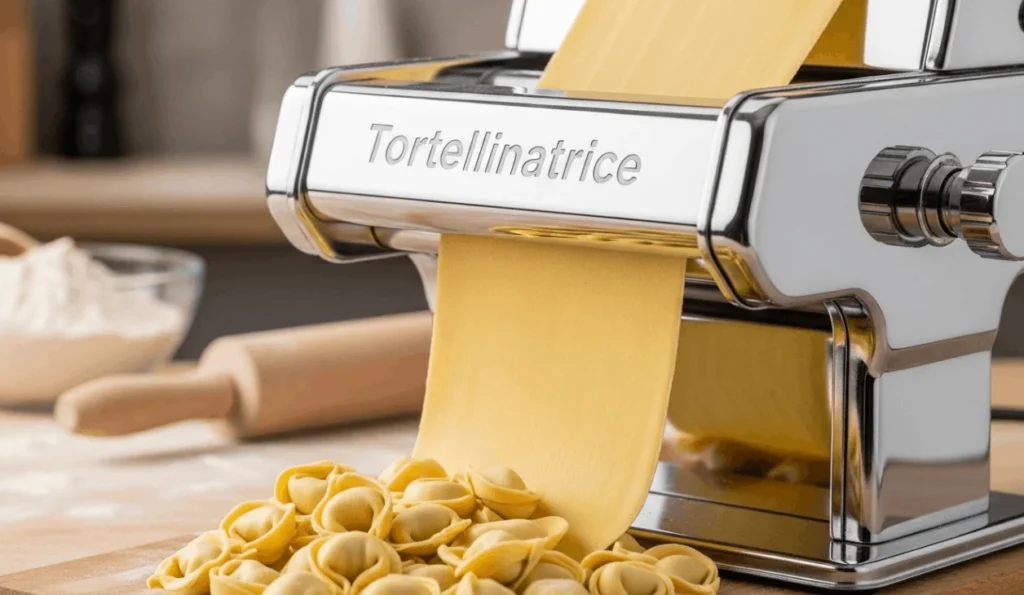
Tortellinatrice: Revolutionizing Homemade Pasta Production
If you are passionate about Italian cuisine, the tortellinatrice is a game-changer for your kitchen. This specialized pasta-making machine brings traditional craftsmanship and modern efficiency together, allowing both professionals and home cooks to produce authentic tortellini with ease. Unlike conventional methods that require hours of manual labor, a tortellinatrice streamlines the process, ensuring uniformity and perfect shapes every time.
Understanding the Tortellinatrice
A tortellinatrice is a mechanical device designed specifically for shaping and filling tortellini, the iconic stuffed pasta originating from the Emilia-Romagna region. Traditional tortellini preparation involves rolling dough thinly, cutting it into precise squares, adding filling, and folding each piece meticulously by hand. For large-scale production or even serious home cooks, this can be extremely time-consuming.
With a tortellinatrice, these steps are automated. The machine handles the dough feeding, portioning of the filling, and forming of each tortellino, dramatically reducing preparation time. Users can expect consistency in size and shape, which is crucial for both cooking and presentation. Moreover, some advanced models allow adjustments for filling quantity, dough thickness, and even different pasta shapes, making it versatile for a variety of recipes.
Key Features of a Tortellinatrice
Investing in a tortellinatrice comes with several advantages, primarily revolving around precision, speed, and ease of use. Here are some key features:
-
Automated Dough Feeding: The machine ensures that the dough is evenly fed into the mechanism, preventing irregularities in thickness.
-
Adjustable Filling Portion: Whether you prefer a rich meat mixture or a delicate cheese filling, the tortellinatrice can be calibrated for consistent quantities.
-
Multiple Pasta Shapes: Some models offer the flexibility to produce not only tortellini but also ravioli, cappelletti, or other filled pasta varieties.
-
Durable Construction: Typically made from stainless steel, modern tortellinatrici are built to withstand daily use without compromising hygiene or safety.
-
Compact Designs for Home Use: While industrial versions are larger, compact tortellinatrici are available for kitchens with limited space, making them accessible for culinary enthusiasts.
Benefits for Home Cooks and Professionals
The tortellinatrice is not just a tool; it is a time-saving solution that elevates the pasta-making experience. Home cooks benefit from reduced preparation time, allowing them to enjoy the art of Italian cuisine without tedious manual labor. Professionals, on the other hand, gain efficiency and uniformity, essential for restaurants, catering services, or small pasta businesses.
Additionally, using a tortellinatrice encourages creativity. You can experiment with unconventional fillings such as pumpkin, mushrooms, or even seafood, all while maintaining the traditional tortellini shape. This flexibility is particularly appealing to chefs aiming to add a modern twist to classic dishes.
How to Use a Tortellinatrice
Operating a tortellinatrice is straightforward, though understanding the steps ensures optimal results:
-
Prepare the Dough and Filling: Traditional egg pasta dough works best, rolled to an even consistency. Fillings should be smooth and moderately firm to prevent leakage during shaping.
-
Feed the Dough into the Machine: Most models have a manual or motorized feeding system. Ensure the dough sheet is aligned correctly.
-
Set Filling Portions: Adjust the machine according to your preferred filling size. A consistent amount ensures uniform cooking and presentation.
-
Collect Shaped Tortellini: As the machine forms each piece, carefully place them on a floured tray to avoid sticking.
-
Cook or Freeze: Freshly made tortellini can be cooked immediately in boiling water or frozen for later use.
Choosing the Right Tortellinatrice
Selecting the ideal tortellinatrice depends on your needs, budget, and kitchen space. For home use, a compact model with simple controls may suffice. Conversely, professional kitchens might require a machine with higher capacity, faster output, and durability suitable for continuous operation.
When evaluating options, consider the following factors:
-
Capacity: How many tortellini can it produce per hour?
-
Ease of Cleaning: Detachable components simplify maintenance.
-
Material Quality: Stainless steel is preferred for hygiene and longevity.
-
Versatility: Can it handle different pasta types or fillings?
Reading reviews, watching demonstration videos, and comparing specifications can help make an informed decision, ensuring the machine aligns with your culinary goals.
Tips for Perfect Tortellini
Even with a tortellinatrice, a few tips can enhance the final product:
-
Use fresh, high-quality ingredients for both dough and filling.
-
Avoid overfilling the pasta to prevent breakage.
-
Lightly dust tortellini with flour to prevent sticking before cooking.
-
Cook fresh tortellini in gently boiling salted water for a few minutes until tender.
These small adjustments, combined with the precision of the tortellinatrice, yield professional-level results every time.
Conclusion
The tortellinatrice transforms the traditional craft of making tortellini into a more efficient, precise, and enjoyable process. Whether you are a home cook passionate about Italian cuisine or a professional chef looking for consistency and speed, this machine offers undeniable advantages. By automating repetitive tasks while maintaining control over the dough and filling, the tortellinatrice ensures every piece of tortellini meets the highest standards of quality.
Investing in a tortellinatrice is more than acquiring a kitchen tool—it is embracing the fusion of tradition and innovation. From family dinners to restaurant service, this machine simplifies preparation, encourages culinary creativity, and ensures that each tortellino is as delightful as the last.