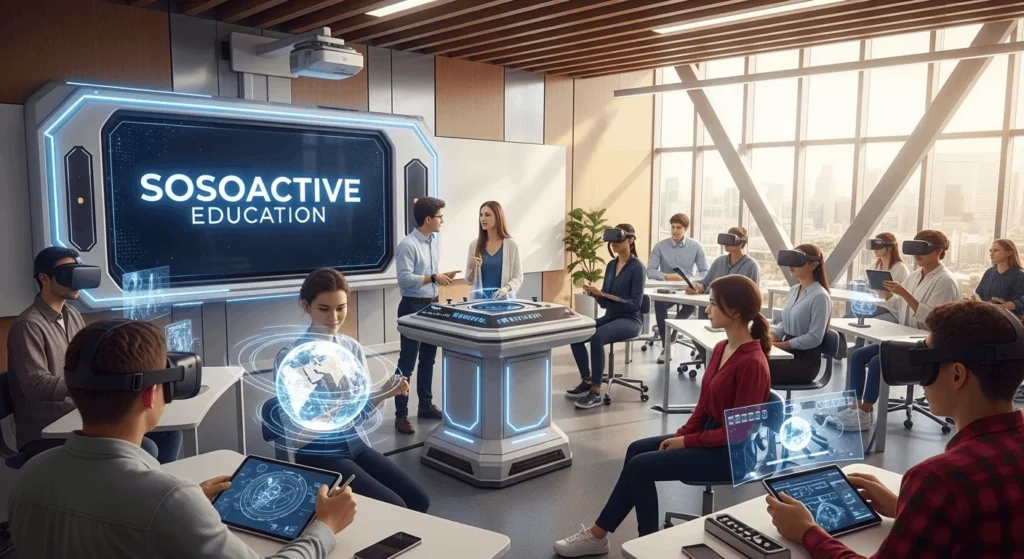
In today’s rapidly evolving world, digital platforms are reshaping how students access knowledge and develop skills. Among emerging concepts in online learning, sosoactive education stands out as a dynamic approach that blends accessibility, engagement, and practical learning. Rather than relying solely on traditional methods, this model focuses on interactive tools, up-to-date resources, and learner-centered strategies.
As education increasingly moves beyond physical classrooms, learners seek platforms that are flexible, relevant, and inspiring. That is precisely where sosoactive education creates value—by merging technology with meaningful academic content.
What Is Sosoactive Education?
At its core, sosoactive education represents a modern digital learning framework designed to make knowledge both accessible and engaging. Instead of static lessons, it emphasizes:
-
Interactive learning materials
-
Real-time updates on academic trends
-
Skill-based modules
-
Multimedia content formats
-
Community-driven discussions
In other words, it moves beyond passive reading and encourages students to actively participate in their educational journey. As a result, learners not only consume information but also apply and analyze it.
Why Digital Learning Matters More Than Ever
Over the past decade, online education has experienced remarkable growth. However, the shift accelerated dramatically when global circumstances forced institutions to adopt remote learning solutions. Consequently, students became more comfortable with digital classrooms, webinars, and virtual collaboration.
Sosoactive education aligns perfectly with this transformation. Because it is built around flexibility, learners can study at their own pace while still accessing high-quality resources. Moreover, digital platforms allow for instant updates, ensuring that content remains current and relevant.
Key Features of Sosoactive Education
1. Interactive Learning Tools
First and foremost, interactive tools play a central role. Quizzes, discussion boards, and multimedia lessons keep students engaged. Instead of simply reading long blocks of text, learners can participate in simulations and scenario-based exercises.
2. Flexible Study Options
Additionally, flexibility is a defining characteristic. Students can access materials anytime and from anywhere. This is particularly beneficial for working professionals or individuals balancing multiple responsibilities.
3. Skill-Based Curriculum
While traditional systems often emphasize theory, sosoactive education focuses heavily on practical skills. Courses frequently incorporate real-world case studies and project-based assignments. Therefore, learners develop competencies that are directly applicable in professional environments.
4. Community and Collaboration
Another important aspect is the sense of community. Digital discussion forums and peer collaborations create opportunities for shared learning. As students interact, they gain diverse perspectives that enrich their understanding.
How Sosoactive Education Enhances Student Engagement
Engagement remains one of the biggest challenges in online learning. Nevertheless, sosoactive education addresses this issue through innovative strategies.
For example, multimedia integration—such as videos, infographics, and podcasts—appeals to different learning styles. Visual learners benefit from graphics, while auditory learners gain from recorded lectures. Furthermore, interactive assessments provide immediate feedback, helping students identify areas for improvement.
Because learners receive real-time responses, they remain motivated and more invested in their progress. In contrast, delayed feedback often reduces enthusiasm and momentum.
Benefits for Different Types of Learners
Students in Traditional Institutions
Even students enrolled in physical schools can benefit. Supplementary digital modules reinforce classroom lessons and provide additional practice materials. Consequently, academic performance can improve.
Working Professionals
For professionals seeking career advancement, sosoactive education offers targeted skill development. Short-term certifications and micro-courses allow learners to upgrade their expertise without committing to lengthy degree programs.
Lifelong Learners
In addition, individuals who simply enjoy learning new topics can explore diverse subjects at their convenience. Whether it’s digital marketing, coding, or communication skills, online platforms make exploration easy and affordable.
The Role of Technology in Sosoactive Education
Technology serves as the backbone of this educational approach. Cloud-based systems enable seamless content delivery, while mobile-friendly designs ensure accessibility on smartphones and tablets.
Moreover, data analytics tools track learner performance. These insights allow educators to personalize recommendations based on individual strengths and weaknesses. As a result, the learning experience becomes more customized and efficient.
Artificial intelligence, in particular, is increasingly integrated into digital education platforms. AI-driven chatbots and adaptive learning systems guide students through tailored pathways, making the process more intuitive and supportive.
Challenges and Considerations
Although sosoactive education offers numerous advantages, certain challenges remain.
First, digital access inequality can limit participation. Not all students have reliable internet connections or modern devices. Therefore, addressing infrastructure gaps is essential for broader inclusivity.
Second, self-discipline plays a crucial role in online learning success. Without structured classroom environments, some learners may struggle with time management. However, incorporating progress trackers and scheduled reminders can help mitigate this issue.
Lastly, content quality must remain a priority. Since online platforms can publish information quickly, maintaining accuracy and credibility is vital. Regular updates and expert oversight ensure reliability.
The Future of Sosoactive Education
Looking ahead, digital learning models are expected to become even more sophisticated. Virtual reality simulations, augmented reality lessons, and immersive classroom experiences may soon become mainstream.
Sosoactive education is well-positioned to adapt to these innovations. Because it emphasizes engagement and flexibility, it can seamlessly integrate new technologies as they emerge.
Furthermore, global collaboration will likely expand. Students from different countries can connect, share ideas, and work on joint projects. Consequently, education will become more interconnected and culturally diverse.
Practical Tips for Getting Started
If you are interested in exploring sosoactive education, consider the following steps:
-
Identify your goals. Determine whether you want academic improvement, career advancement, or personal enrichment.
-
Choose reliable platforms. Research reviews and ensure the curriculum aligns with your objectives.
-
Create a study schedule. Consistency enhances learning outcomes.
-
Engage actively. Participate in discussions and complete assignments thoroughly.
-
Track progress regularly. Monitor achievements and adjust strategies when necessary.
By following these guidelines, you can maximize the benefits of digital learning.
Conclusion
In conclusion, sosoactive education represents a forward-thinking approach to modern learning. By combining flexibility, interactive tools, and practical skill development, it addresses many limitations of traditional systems. Moreover, as technology continues to evolve, this educational model will likely become even more impactful.
Ultimately, learners today require more than static textbooks—they need engaging, adaptable, and relevant experiences. Sosoactive education answers that call by placing students at the center of the learning process and empowering them to grow in a digital age.