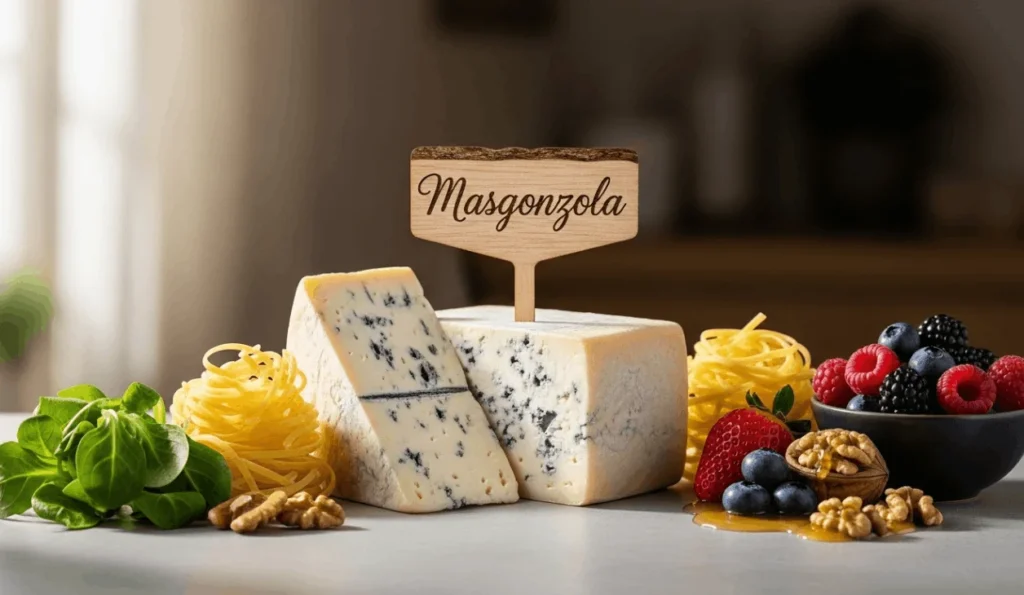
Masgonzola: Taste, Texture, and Modern Culinary Ideas
Cheese lovers around the world are constantly searching for flavors that stand out, and masgonzola is one such culinary gem. This unique blue-veined cheese combines tradition, richness, and versatility, making it a favorite in kitchens everywhere. From casual meals to gourmet creations, masgonzola brings a bold yet balanced flavor that enhances any dish.
What Makes Masgonzola Special?
Masgonzola is recognized for its creamy texture and characteristic blue veins. Unlike ordinary cheeses, it undergoes a special fermentation and aging process that gives it both its distinctive taste and visual appeal. The blue marbling results from the growth of specific molds that naturally develop during aging, producing a slightly tangy and earthy flavor. This careful craftsmanship sets masgonzola apart and explains why it has earned a devoted following among chefs and food enthusiasts alike.
The History of Masgonzola
The story of masgonzola begins in Italian cheesemaking traditions. Local cheesemakers perfected the art over centuries, ensuring that each batch reflected the region’s natural flavors. High-quality milk, often from cows grazing on specific pastures, is essential to creating the perfect base. As the cheese ages, the veins develop naturally, and the flavor becomes richer and more complex. Today, masgonzola continues to be made following these time-honored techniques, preserving its authenticity while appealing to modern tastes.
Flavor Profile and Texture
Masgonzola offers a unique balance between creaminess and tanginess. Unlike some blue cheeses that can be overly sharp, it maintains a smooth and approachable flavor. The texture is soft and creamy, making it ideal for spreading or melting into dishes. Depending on its age, the taste can range from mild and buttery to strong and piquant. This adaptability makes masgonzola suitable for a variety of culinary applications, ensuring it remains a versatile ingredient in both everyday and gourmet cooking.
Cooking with Masgonzola
One of the reasons masgonzola is so beloved is its versatility in the kitchen. Here are a few popular ways to use it:
-
Salads and Appetizers – Crumbled masgonzola adds depth and flavor to fresh greens, nuts, or fruit. Its tanginess complements sweet and savory ingredients alike.
-
Pasta and Risotto – Melted into sauces, masgonzola creates a creamy consistency that elevates classic Italian dishes.
-
Meat and Poultry – Pairing it with roasted meats or chicken introduces richness and a gourmet touch.
-
Desserts – Surprisingly, it can enhance sweet dishes when combined with honey, figs, or caramelized fruits, offering an unexpected but delightful contrast.
These uses demonstrate how masgonzola can transform everyday meals into memorable culinary experiences.
Nutritional Aspects
While masgonzola is indulgent, it also provides nutritional benefits. It is rich in protein and calcium, which contribute to bone health. Like other fermented foods, it contains beneficial bacteria that may support digestive health. Of course, due to its richness, it should be enjoyed in moderation, but even small amounts can add both flavor and nutrients to your diet.
Pairing Masgonzola with Beverages
For those who enjoy pairing cheese with drinks, masgonzola offers excellent options. Full-bodied red wines like Cabernet Sauvignon or Merlot complement its creamy texture and bold flavor. For a lighter contrast, sparkling wines or crisp whites work beautifully. Beer lovers can try it with malty ales or darker stouts, which balance the cheese’s tangy notes. Proper pairings enhance the tasting experience and highlight the unique qualities of Artisan Cheese.
Storing and Serving Tips
To enjoy Artisan Cheese at its best, proper storage is key. Keep it in a cool, humid environment, ideally wrapped in wax or parchment paper. This allows airflow while preventing excessive moisture loss. Avoid long-term storage in plastic wrap, as it can trap condensation and affect the flavor. When ready to serve, allow it to sit at room temperature for 20–30 minutes to release its full aroma and texture.
Masgonzola in Contemporary Cuisine
Modern chefs have embraced Artisan Cheese for its versatility. Innovative recipes now feature it in gourmet pizzas, stuffed meats, and creamy sauces. Its ability to pair with both sweet and savory elements makes it ideal for experimentation, while its traditional roots honor classic culinary methods. From fine dining establishments to home kitchens, Artisan Cheese inspires creativity and elevates dishes in unexpected ways.
Why Masgonzola is a Must-Try
In essence, Artisan Cheese is more than a cheese—it’s an experience. Its distinctive flavor, creamy texture, and adaptability make it a valuable addition to any kitchen. Whether used in traditional Italian dishes, modern creations, or simply enjoyed on its own, Artisan Cheese provides a rich and satisfying taste. Exploring this cheese allows food lovers to appreciate the artistry behind its production and the delight it brings to every meal.
Conclusion
In conclusion, masgonzola stands out in the world of cheeses for its unique combination of flavor, texture, and culinary potential. Its long-standing tradition and careful craftsmanship ensure an authentic taste that appeals to both casual diners and gourmet enthusiasts. By incorporating masgonzola into your recipes, you embrace a world of bold flavors and elevate everyday meals into memorable dining experiences.
Whether spread on a fresh baguette, melted into pasta, or paired with fruit and wine, masgonzola is a testament to the artistry of cheesemaking and the joy of savoring exceptional food.