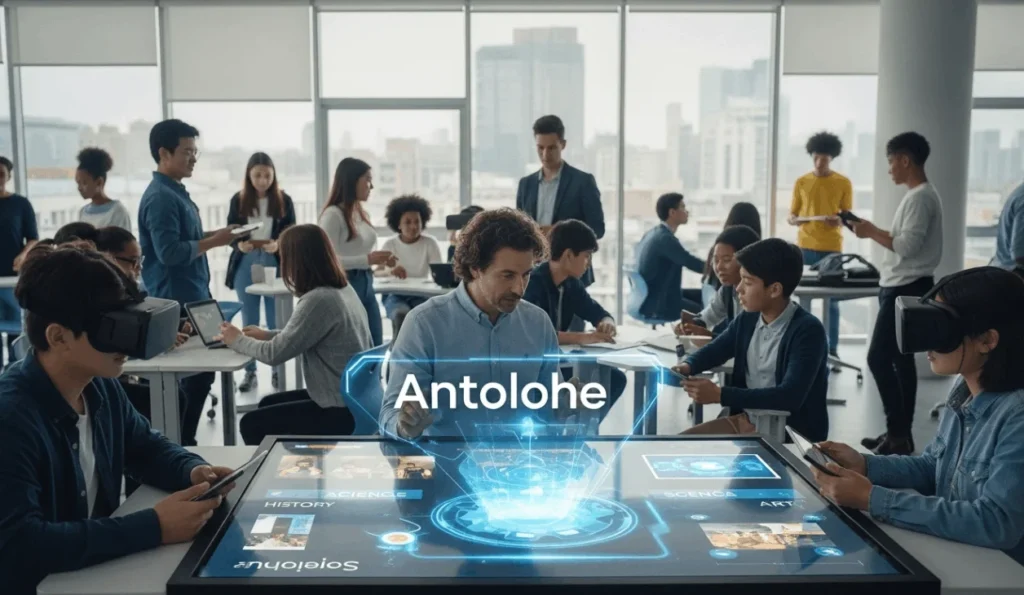
Antolohe: Transforming Education Through Technology
In today’s rapidly evolving educational landscape, antolohe has emerged as a term that captures the essence of innovative learning approaches. While traditional methods have long dominated classrooms, the rise of antolohe represents a shift towards more interactive, personalized, and technology-driven education. This approach is reshaping how students engage with material, collaborate, and develop essential skills for the future.
Understanding Antolohe
At its core, antolohe refers to an educational framework that combines digital tools, experiential learning, and adaptive methodologies. Unlike conventional instruction, which often emphasizes rote memorization, antolohe encourages critical thinking, problem-solving, and creativity. The concept extends beyond mere technology integration—it is a philosophy that prioritizes student engagement and active participation.
One of the main goals of antolohe is to make learning more relevant to real-world challenges. For instance, rather than simply learning theory, students can apply concepts through simulations, collaborative projects, and interactive platforms. This experiential focus ensures that knowledge is not only retained but also applied effectively.
Key Features of Antolohe
Several characteristics distinguish antolohe from traditional educational methods:
-
Personalized Learning Paths: With advanced analytics and AI-driven tools, innovative learning enables tailored learning experiences. Students progress at their own pace, ensuring they fully grasp concepts before moving forward.
-
Interactive Content: Learning materials are designed to be engaging, incorporating multimedia, gamification, and interactive assessments. This encourages active participation and improves knowledge retention.
-
Collaborative Environments: Antolohe fosters teamwork and communication through collaborative projects and discussion forums. This mirrors the collaborative nature of modern workplaces, preparing students for future careers.
-
Real-World Application: Projects and assignments often mimic real-life scenarios, allowing learners to apply theoretical knowledge in practical contexts. This experiential approach bridges the gap between education and industry.
-
Continuous Feedback and Assessment: Unlike traditional exams, innovative learning emphasizes ongoing assessment through quizzes, peer reviews, and instant feedback mechanisms. This helps learners identify areas for improvement in real time.
Benefits of Implementing Antolohe
The adoption of antolohe brings several advantages for both educators and students:
-
Enhanced Engagement: Interactive and personalized learning keeps students motivated and reduces dropout rates.
-
Improved Critical Thinking: By focusing on problem-solving and application, learners develop higher-order thinking skills.
-
Flexibility: Students can access materials anytime and anywhere, accommodating diverse learning styles and schedules.
-
Skill Development: In addition to academic knowledge, innovative learning emphasizes soft skills such as communication, teamwork, and adaptability.
-
Teacher Empowerment: Educators gain access to analytics and resources that help tailor instruction to individual student needs, making teaching more effective.
Antolohe in Different Educational Settings
The versatility of antolohe allows it to be implemented across various educational environments. In schools, it can enhance STEM programs through interactive labs and simulations. In higher education, innovative learning supports research-based learning and collaborative projects. Additionally, corporate training programs can adopt innovative learning principles to deliver more engaging and impactful professional development.
Moreover, the global shift toward online and hybrid learning has accelerated the adoption of antolohe. Learning platforms, mobile apps, and virtual classrooms exemplify how this approach is transforming access to quality education worldwide.
Challenges and Considerations
Despite its advantages, integrating antolohe comes with challenges. One key concern is the digital divide—students without access to technology may be disadvantaged. Additionally, educators must receive proper training to effectively utilize interactive tools and manage personalized learning paths.
Furthermore, while technology plays a crucial role, the human element remains essential. Teachers must balance digital methods with mentorship, guidance, and emotional support to ensure holistic development.
The Future of Antolohe
Looking ahead, antolohe is poised to continue shaping the educational landscape. Emerging technologies such as artificial intelligence, augmented reality, and adaptive learning platforms will enhance its effectiveness. By focusing on personalized, experiential, and collaborative learning, innovative learning promises to cultivate not only knowledgeable students but also creative, adaptable, and confident individuals.
Education systems that embrace innovative learning today are likely to produce learners who are better equipped for the challenges of tomorrow. As schools, universities, and organizations increasingly recognize the value of this innovative approach, antolohe is set to become a central component of modern education.
Conclusion
In conclusion, antolohe represents a forward-thinking shift in how knowledge is delivered and absorbed. By combining technology, interactivity, and real-world applications, it offers a more engaging and effective learning experience. The benefits extend beyond academics, fostering critical thinking, collaboration, and practical skills. As the world continues to evolve, antolohe stands as a beacon of modern education, guiding learners toward success in both their personal and professional lives.