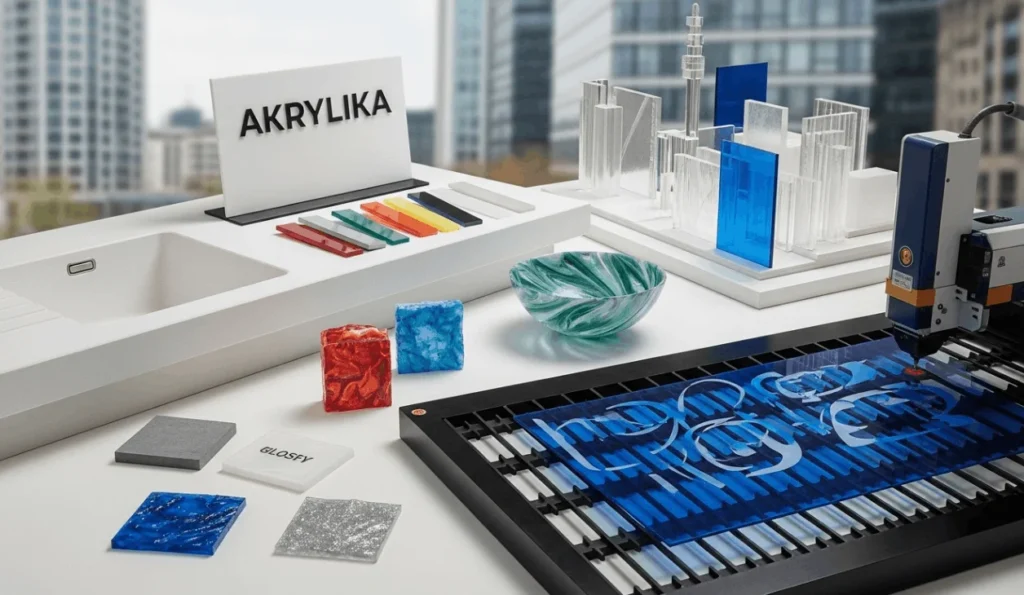
Akrylika: A Modern Material Transforming Design and Creativity
In today’s fast-evolving world of materials and design, akrylika has emerged as a versatile and innovative solution across multiple industries. From interior décor to signage, furniture, and art, this adaptable material continues to gain attention for its durability, aesthetic appeal, and practical functionality. As trends shift toward sleek finishes and sustainable options, akrylika stands out as a modern alternative that balances beauty with performance.
Although relatively new in mainstream conversations, akrylika is closely associated with acrylic-based materials known for clarity, strength, and lightweight properties. However, it goes beyond traditional acrylic by incorporating improved finishing techniques and design flexibility. As a result, designers, architects, and manufacturers increasingly prefer it for both commercial and residential applications.
What Is Akrylika?
Akrylika refers to a refined form of acrylic material engineered for decorative and structural use. Unlike ordinary plastic, it offers enhanced transparency, weather resistance, and customizable surface finishes. Because of its adaptable nature, it can be molded, cut, engraved, or colored according to project requirements.
Moreover, akrylika provides a glass-like appearance without the fragility and weight of actual glass. This makes it particularly attractive in spaces where safety and durability are priorities. Consequently, many modern construction and creative industries rely on it for cost-effective and stylish solutions.
Key Features of Akrylika
One of the main reasons behind the growing popularity of akrylika is its impressive range of features. These characteristics not only enhance performance but also broaden its usability.
1. High Transparency
Akrylika delivers excellent optical clarity, often rivaling traditional glass. Therefore, it is ideal for display panels, partitions, and decorative elements.
2. Lightweight Structure
Compared to glass or other solid materials, akrylika is significantly lighter. As a result, transportation and installation become easier and more economical.
3. Impact Resistance
While glass can shatter easily, akrylika resists breakage. This makes it safer in public areas, offices, and homes.
4. Weather and UV Resistance
Additionally, it withstands exposure to sunlight and changing weather conditions. For this reason, outdoor signage and architectural applications often use it.
5. Design Flexibility
Since it can be shaped and colored in various ways, akrylika allows creative freedom. Designers can experiment with textures, finishes, and patterns without compromising strength.
Applications of Akrylika in Modern Design
Because of its versatile properties, akrylika is widely used in different sectors. Let’s explore some of its most popular applications.
Interior Design
In interior spaces, akrylika enhances both functionality and aesthetics. For instance, it is commonly used for wall panels, decorative partitions, tabletops, and cabinet finishes. Its smooth surface adds a polished look, while its durability ensures long-term use.
Furthermore, homeowners appreciate how akrylika reflects light, making rooms appear brighter and more spacious. This feature is particularly useful in compact urban apartments where maximizing light is essential.
Signage and Branding
Businesses often choose akrylika for signage due to its professional appearance and durability. Whether used in illuminated signs or engraved nameplates, it maintains clarity and vibrancy over time.
In addition, it supports modern printing and laser-cutting technologies, allowing companies to create precise and visually striking branding elements.
Furniture Manufacturing
Furniture designers favor akrylika for its sleek and contemporary feel. Chairs, tables, shelving units, and display cases made from this material combine minimalism with resilience.
Because it is lighter than wood or metal in certain applications, it also reduces structural strain while maintaining strength. Consequently, it becomes a practical choice for modular and portable furniture designs.
Art and Creative Projects
Artists and crafters benefit from akrylika’s adaptability. It can be engraved, painted, layered, or illuminated with LED lighting. Therefore, creative professionals use it in sculptures, installations, and decorative artworks.
Moreover, its ability to hold vibrant colors ensures that artistic designs remain visually appealing for years.
Advantages Over Traditional Materials
Although materials like glass, wood, and metal have long dominated construction and design, akrylika offers several competitive advantages.
Firstly, it provides the transparency of glass without the same risk of breakage. Secondly, unlike wood, it does not warp or absorb moisture. Thirdly, compared to metal, it resists corrosion and requires less maintenance.
Additionally, akrylika often proves more cost-effective in large-scale projects. Since it is lightweight and easy to fabricate, labor and transportation expenses can be reduced significantly.
For these reasons, industries looking for efficient and stylish alternatives increasingly turn to this innovative material.
Maintenance and Care
One of the most appealing aspects of akrylika is its low-maintenance nature. Cleaning typically requires only a soft cloth and mild detergent. However, abrasive materials should be avoided to preserve its smooth finish.
Furthermore, because it resists moisture and environmental damage, it does not require frequent repairs or replacements. This long-lasting quality adds to its overall value proposition.
Sustainability Considerations
As environmental awareness grows, consumers and businesses are prioritizing sustainable materials. Fortunately, akrylika aligns with many eco-conscious goals.
Many acrylic-based products are recyclable, and manufacturing processes continue to improve in energy efficiency. In addition, the durability of akrylika reduces waste since it lasts longer than some traditional alternatives.
Although sustainability depends on production methods and disposal practices, ongoing innovation is making this material increasingly environmentally responsible.
Future Trends in Akrylika
Looking ahead, akrylika is expected to play an even greater role in modern architecture and product design. With advancements in manufacturing technology, new finishes, textures, and smart integrations are emerging.
For example, designers are experimenting with backlit panels and interactive surfaces. Similarly, architects are integrating it into energy-efficient building concepts. As technology continues to evolve, the applications of akrylika are likely to expand further.
Moreover, as consumer preferences shift toward minimalist and contemporary aesthetics, this material’s clean and glossy appearance perfectly aligns with current design trends.
Conclusion
In summary, akrylika represents a powerful blend of style, strength, and versatility. Its ability to combine visual elegance with practical durability makes it an attractive option across industries. Whether used in interior décor, signage, furniture, or art, it consistently delivers reliable performance and modern appeal.
As innovation continues and sustainability becomes a greater priority, akrylika is poised to remain a key material in the future of design. For professionals and homeowners alike, it offers a smart solution that bridges creativity and functionality seamlessly.