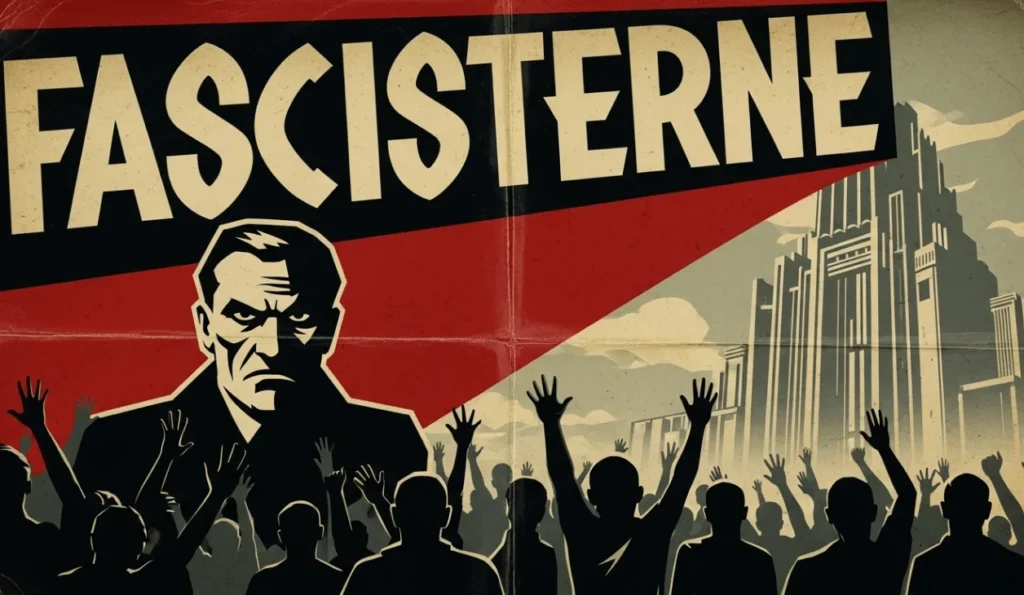
Fascisterne: History, Ideology, and Lasting Impact
The term fascisterne evokes strong images of authoritarianism, nationalism, and political extremism. Over the decades, fascism has significantly shaped political landscapes, leaving deep imprints on societies and governments worldwide. Understanding fascisterne requires not just examining historical events but also exploring the underlying ideologies that allowed such movements to gain traction.
The Origins of Fascisterne
The roots of fascisterne can be traced back to early 20th-century Europe, particularly in Italy and Germany. Post-World War I instability created fertile ground for radical movements. Economic hardship, social unrest, and political uncertainty drove people to seek solutions outside traditional democratic frameworks. It was in this context that Benito Mussolini in Italy and later Adolf Hitler in Germany emerged as leaders advocating for extreme nationalism and authoritarian control.
These early fascisterne movements shared common characteristics: a rejection of liberal democracy, intense nationalism, glorification of a strong state, and suppression of political opposition. Their propaganda emphasized unity, strength, and loyalty to the nation, often targeting minorities as scapegoats for societal problems.
Ideology and Principles
At the core of fascisterne ideology lies the belief that the state is supreme and individual interests must be subordinate to the collective national identity. This worldview prioritizes order and conformity over personal freedoms. Leaders of fascist movements often relied on charismatic authority to mobilize masses, presenting themselves as saviors capable of restoring national pride.
Another critical aspect of fascisterne is militarism. These movements glorified war and conflict as a means to achieve national greatness. Military parades, aggressive rhetoric, and paramilitary organizations were common tools used to intimidate opponents and rally supporters. This emphasis on strength and discipline was instrumental in consolidating power and spreading influence throughout society.
Fascisterne in Action
Historically, the impact of fascisterne has been profound and often catastrophic. In Italy, Mussolini’s regime suppressed dissent, controlled media, and invaded foreign territories to project power. Similarly, Nazi Germany under Hitler orchestrated mass propaganda campaigns, implemented racial laws, and pursued aggressive expansionist policies, culminating in World War II and the Holocaust.
The societal impact of fascisterne movements extended beyond politics. Education, culture, and daily life were often manipulated to reinforce loyalty to the state. Schools taught nationalistic narratives, art and literature were censored or used as propaganda, and public ceremonies glorified the regime. The pervasive reach of fascist ideology created an environment where dissent was dangerous and conformity was rewarded.
Lessons from History
Studying fascisterne offers crucial lessons about the fragility of democratic institutions and the dangers of unchecked power. Societies recovering from crisis may be particularly vulnerable to extremist ideologies if political and economic stability is not restored. Awareness and education about the signs of rising authoritarianism are essential tools for preventing the resurgence of such movements.
Transitioning from history to modern times, one must recognize that while classic fascism is often associated with the early 20th century, elements of fascisterne ideology can appear in contemporary political movements. Populism, nationalism, and suppression of dissent, when combined with charismatic leadership, can echo the strategies of historical fascists. Thus, vigilance remains necessary even in established democracies.
Modern Reflections
In today’s global context, discussions about fascisterne often arise in debates over nationalism, political extremism, and civil liberties. Scholars and commentators analyze current events through the lens of past fascist movements, looking for patterns and warning signs. Social media, mass communication, and political polarization have introduced new dynamics, making it both easier and harder to detect early fascist tendencies.
Furthermore, education plays a pivotal role in shaping awareness about fascisterne. Comprehensive historical studies, civic education, and critical thinking programs help individuals recognize the strategies used by authoritarian movements. By understanding history, societies can better resist attempts to manipulate emotions, fears, and prejudices for political gain.
Conclusion
The history of fascisterne is a stark reminder of the consequences of extremism, nationalism, and unchecked authority. From their emergence in early 20th-century Europe to their lessons for modern societies, fascist movements have left a complex legacy. Understanding their ideology, methods, and societal impact is essential for safeguarding democracy and promoting social resilience.
While the allure of strong leadership and national pride can be tempting during times of crisis, the experiences of the past illustrate the dangers of allowing such forces to dominate. By studying fascisterne, citizens, educators, and policymakers can remain vigilant, ensuring that history does not repeat itself. In essence, awareness and critical engagement are powerful tools against the rise of authoritarianism.
Ultimately, the story of fascisterne is not just about history—it is a continuous lesson in human society’s ongoing struggle between freedom and control. By remembering the past, societies can cultivate a future that prioritizes liberty, diversity, and shared democratic values.