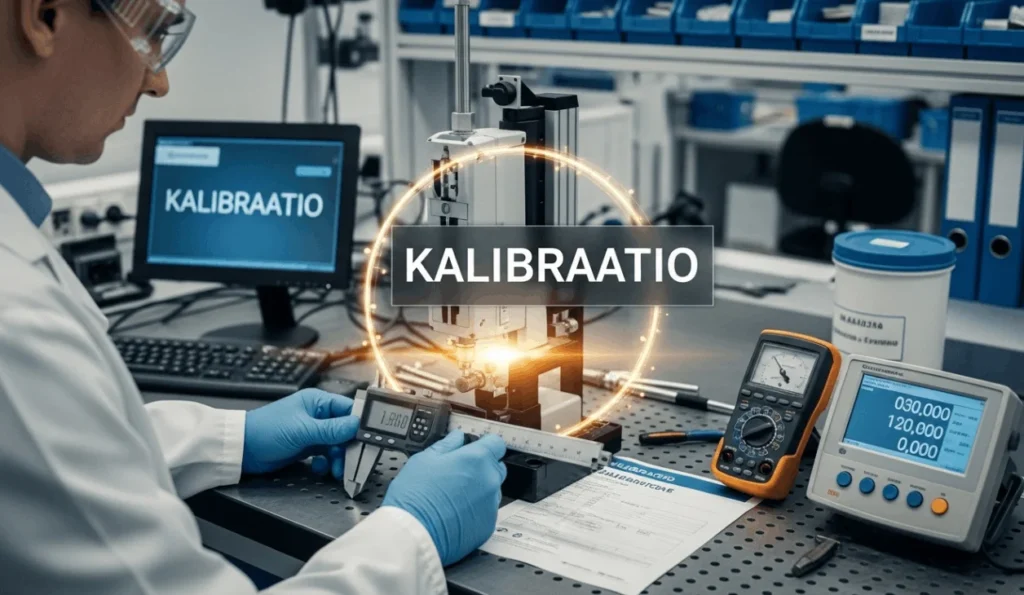
Kalibraatio: Ensuring Accuracy and Reliability in Modern Technology
Kalibraatio is the process of verifying, adjusting, and standardizing measurement devices to ensure they provide accurate and reliable results. In today’s rapidly evolving technological landscape, precision is more critical than ever, and kalibraatio has become a cornerstone for industries, laboratories, and even everyday devices. Beyond being a technical requirement, it guarantees safety, efficiency, and quality.
What is Kalibraatio?
In simple terms, kalibraatio refers to the calibration of a measurement instrument by comparing it to a known standard. These standards can be physical measurements, such as length, weight, or temperature, or digital values, such as voltage or current. The primary purpose of kalibraatio is to detect and correct any discrepancies, ensuring instruments provide accurate readings. For example, in industrial settings, a thermometer that is even slightly off can compromise product quality. Kalibraatio prevents such issues and acts as a vital quality control measure.
Importance of Kalibraatio Across Industries
Kalibraatio plays a critical role in numerous sectors. In laboratories, precise measurements are essential for research and development. Without regular calibration, test results can be unreliable, potentially leading to false conclusions. Similarly, in manufacturing, the accuracy of production instruments directly affects product quality and safety. Calibrated instruments reduce errors, improve efficiency, and maintain high standards in production processes.
In the healthcare sector, kalibraatio is equally crucial. Diagnostic tools, blood analyzers, imaging devices, and medication dispensers all rely on precise calibration. Without it, patient care could be compromised, emphasizing how vital kalibraatio is in saving lives and ensuring reliable medical results.
In addition, environmental monitoring relies on accurate instruments. Weather stations, pollution detectors, and water quality testing tools must be calibrated to provide consistent and trustworthy readings. Inaccurate data could lead to misguided policies or even environmental hazards.
How Often Should Kalibraatio Be Performed?
The frequency of kalibraatio depends on various factors, including the type of instrument, its usage, and the industry’s regulatory requirements. Some instruments may only need annual calibration, while high-precision or critical equipment may require monthly, weekly, or even daily checks. Regular kalibraatio ensures devices consistently meet required standards, minimizing the risk of errors, downtime, or compromised results.
Benefits of Kalibraatio
-
Accuracy and Reliability: Kalibraatio ensures measurements are as precise as possible. Accurate data is critical in research, healthcare, and engineering.
-
Quality Assurance: In industrial production, calibrated devices improve product quality, reduce defects, and lower costs associated with waste or rework.
-
Safety: Calibrated instruments prevent accidents in construction, healthcare, and industrial environments, protecting both personnel and end-users.
-
Regulatory Compliance: Many industries are required to meet specific calibration standards. Documented kalibraatio processes help organizations comply with these regulations efficiently.
-
Increased Confidence: Whether it is in scientific research or commercial production, calibrated devices provide stakeholders with confidence in the accuracy of results.
Methods of Kalibraatio
Calibration can be conducted manually or automatically. Manual calibration involves technicians comparing devices to known standards and adjusting them as necessary. It requires skill, precision, and proper documentation. Automated calibration, on the other hand, uses software and smart devices to monitor accuracy in real time. These systems can alert users when adjustments are needed, reducing human error and enhancing efficiency.
Some advanced devices even include built-in self-calibration features. This continuous monitoring ensures consistent performance without frequent manual intervention, especially in highly sensitive instruments used in scientific and industrial applications.
Challenges in Kalibraatio
Despite its importance, Calibration has its challenges. Modern instruments can be complex, requiring specialized standards or equipment for accurate calibration. Some devices may be expensive to calibrate or require trained personnel, which can increase operational costs. Additionally, maintaining detailed documentation is critical, as records are often required to prove compliance with regulations and ensure traceability of results.
Another challenge is environmental factors. Changes in temperature, humidity, or even vibrations can affect an instrument’s accuracy, making it necessary to calibrate in controlled conditions or at multiple points throughout its usage cycle.
The Future of Kalibraatio
As technology advances, kalibraatio is becoming smarter and more automated. The rise of IoT (Internet of Things) devices and connected systems allows real-time monitoring of instrument performance. Predictive analytics can even anticipate when calibration is needed, reducing manual work and ensuring optimal performance.
International standards continue to evolve, making calibration a critical component of global trade, manufacturing, and healthcare systems. Organizations that invest in proper Calibration gain a competitive edge, demonstrating reliability and precision to clients, regulatory bodies, and stakeholders.
Conclusion
Kalibraatio is more than just a technical term; it is a fundamental part of modern measurement technology and quality assurance. It ensures accuracy, safety, and compliance across multiple industries—from healthcare to manufacturing to environmental monitoring. Regular calibration improves reliability, prevents errors, and fosters trust in the data produced by instruments.
In an era where precision is increasingly important, investing in proper Calibration is not optional—it is essential. Automated systems, real-time monitoring, and strict adherence to standards will continue to make kalibraatio a cornerstone of modern technology, safeguarding quality and efficiency in every field.
Kalibraatio ensures that instruments work correctly, data is reliable, and processes are safe—making it indispensable in our technology-driven world.