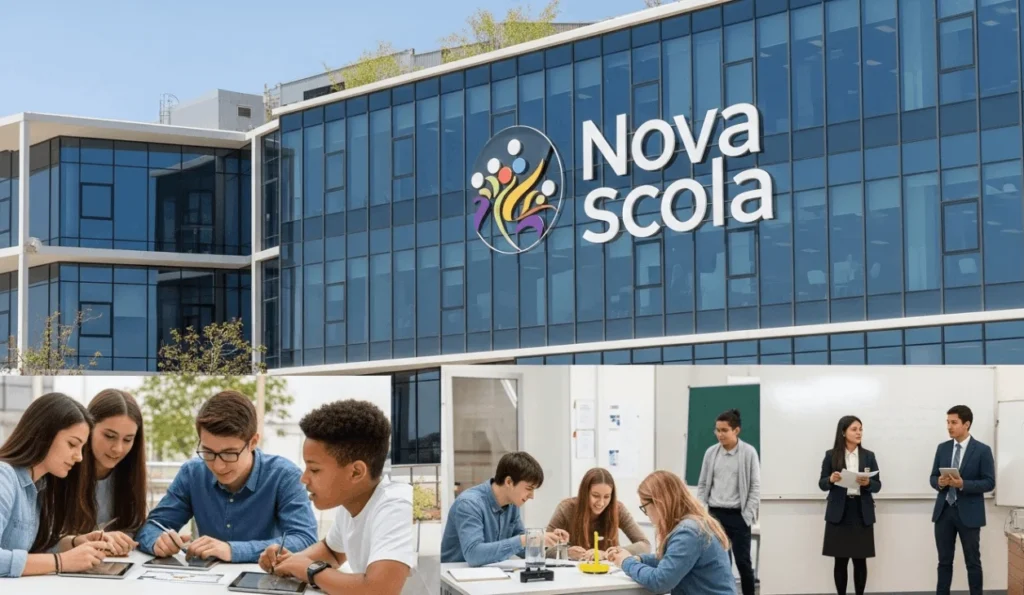
Nova Scola: Creating Inclusive and Adaptive Learning Environments
In today’s rapidly evolving world, education must go beyond textbooks and traditional classrooms. That is where nova scola emerges as a forward-thinking concept designed to reshape how students learn, collaborate, and grow. By combining innovation, creativity, and practical learning strategies, this modern educational approach offers a refreshing alternative to conventional systems.
As schools worldwide adapt to technological advancements and changing career landscapes, nova scola represents a shift toward more dynamic, student-centered learning environments. Rather than focusing solely on memorization, it emphasizes critical thinking, adaptability, and real-world application.
Understanding the Concept of Nova Scola
At its core, nova scola translates to “new school,” symbolizing a reimagined educational framework. However, it is more than just a name. It reflects a philosophy that prioritizes innovation, inclusivity, and lifelong learning.
Unlike traditional systems that rely heavily on standardized instruction, this model encourages personalized learning paths. Students are guided according to their strengths, interests, and pace. Consequently, they feel more engaged and motivated to succeed.
Furthermore, nova scola integrates technology in meaningful ways. Digital tools are not simply added for convenience; instead, they enhance collaboration, creativity, and problem-solving skills. As a result, learners are better prepared for modern workplaces.
Key Principles Behind Nova Scola
To understand why this approach is gaining attention, it is important to explore its guiding principles.
1. Student-Centered Learning
First and foremost, nova scola places students at the center of the educational experience. Teachers act as facilitators rather than sole sources of knowledge. This shift encourages independent thinking and active participation.
Moreover, project-based learning plays a major role. Instead of memorizing facts, students work on real-world challenges. Through this process, they develop teamwork, communication, and leadership skills.
2. Integration of Technology
In addition, technology is deeply embedded in the learning process. From interactive platforms to collaborative digital tools, innovation enhances accessibility and engagement. However, technology is used thoughtfully, ensuring it supports learning objectives rather than distracting from them.
Consequently, students gain digital literacy skills essential for future careers. They also learn how to evaluate information critically in a digital age.
3. Focus on Critical Thinking
Another cornerstone of nova scola is critical thinking. Rather than simply accepting information, students are encouraged to question, analyze, and reflect. This approach builds intellectual confidence and curiosity.
As a result, learners become problem-solvers who can adapt to new situations. In an unpredictable global economy, such flexibility is invaluable.
4. Inclusive and Collaborative Environment
Equally important is inclusivity. Modern classrooms must accommodate diverse backgrounds, learning styles, and abilities. Nova scola promotes equal participation, ensuring that every student feels valued.
Collaboration is also central. Students frequently work in teams, which fosters empathy and mutual respect. Over time, these experiences help build strong interpersonal skills.
Benefits of Nova Scola in Today’s Education System
There are several advantages to adopting a model like nova scola. Firstly, it prepares students for real-life challenges rather than limiting them to theoretical knowledge. Employers increasingly seek individuals who can think creatively and work effectively in teams.
Secondly, it enhances motivation. When students see the relevance of what they are learning, they become more invested in their education. Engagement naturally leads to improved academic performance.
Additionally, nova scola supports lifelong learning. Since the world continues to change, the ability to learn independently becomes crucial. By fostering curiosity and adaptability, this approach equips students with skills that extend far beyond the classroom.
How Nova Scola Differs from Traditional Education
Traditional education often relies on fixed curricula and standardized testing. While these methods have their place, they may not fully address individual learning needs.
In contrast, nova scola emphasizes flexibility. Lessons are adapted to current events, technological trends, and student interests. Consequently, education becomes more relevant and responsive.
Moreover, assessment methods shift from purely exam-based evaluations to performance-based assessments. Students demonstrate understanding through presentations, projects, and collaborative assignments. This not only measures knowledge but also practical application.
The Role of Educators in Nova Scola
Teachers play a transformative role within this framework. Rather than lecturing continuously, they guide discussions, facilitate group work, and mentor students individually.
Importantly, educators also undergo continuous professional development. As educational tools evolve, teachers must stay updated. This ensures that the learning environment remains innovative and effective.
Furthermore, open communication between teachers and students strengthens trust. When learners feel heard, they are more likely to express ideas confidently.
Implementing Nova Scola Successfully
Transitioning to a nova scola model requires careful planning. Schools must invest in training, technology, and curriculum redesign. However, the long-term benefits outweigh the initial challenges.
To begin with, institutions can introduce project-based modules within existing systems. Gradually, they can expand student-centered practices and collaborative initiatives.
Additionally, community involvement enhances success. Parents, local organizations, and industry professionals can contribute insights and mentorship. This strengthens the connection between education and the real world.
Challenges and Considerations
Despite its advantages, nova scola is not without challenges. For instance, integrating technology effectively requires financial investment and reliable infrastructure.
Moreover, educators may need time to adapt to new teaching methods. Change can feel overwhelming at first. Nevertheless, with proper support and training, these obstacles can be overcome.
Another consideration involves balancing innovation with academic standards. While creativity is encouraged, maintaining measurable learning outcomes remains essential.
The Future of Nova Scola
Looking ahead, educational systems worldwide are gradually embracing innovative approaches. As digital transformation accelerates, the principles behind nova scola will likely become more prominent.
In the future, hybrid learning environments may become the norm. Students could combine in-person collaboration with online resources, creating flexible learning experiences.
Furthermore, artificial intelligence and personalized learning analytics may refine how educators tailor instruction. By leveraging data responsibly, schools can better support individual progress.
Ultimately, nova scola represents more than an educational trend. It symbolizes a broader shift toward empowering students to become independent thinkers, creative problem-solvers, and responsible global citizens.
Conclusion
Education must evolve to meet the demands of the modern world. Nova scola offers a compelling model that blends innovation, inclusivity, and practical learning. Through student-centered approaches, technological integration, and a strong emphasis on critical thinking, it prepares learners for both academic success and real-world challenges.
As institutions continue to explore new methods, adopting the principles of nova scola could redefine how future generations experience education. By prioritizing engagement, adaptability, and collaboration, this forward-thinking approach has the potential to shape a brighter educational future for all.